
Battery packs by market
.jpg)
One platform. Configured to the duty cycle.

Automotive
BEV and PHEV packs for performance, luxury and specialist programmes. Floor height, weight and vehicle dynamics optimised around your vehicle, not the other way round.
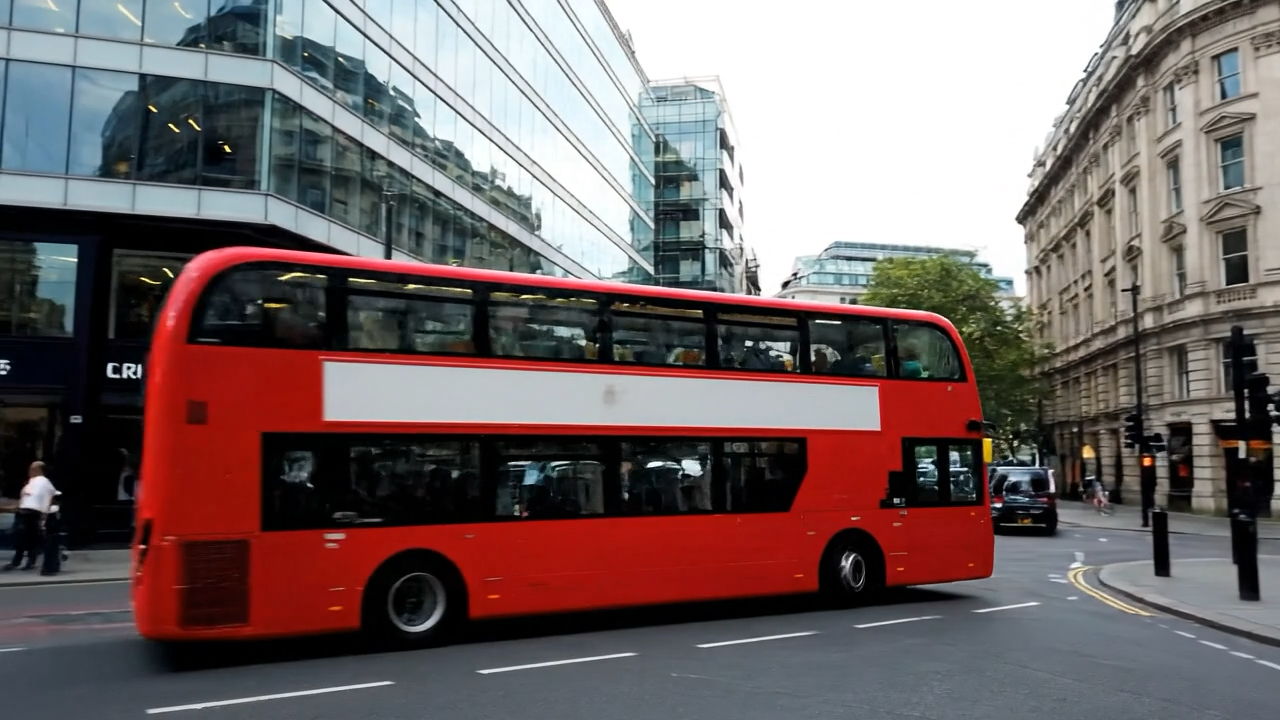
Bus
Cell-to-pack systems engineered around structural members, access ramps and seating, with warranty life to match a fifteen-year service expectation.

Marine
Every hull is different, so geometry rules. Packs shaped to the vessel, protecting centre of gravity, usable space and the power profile the boat is built around.
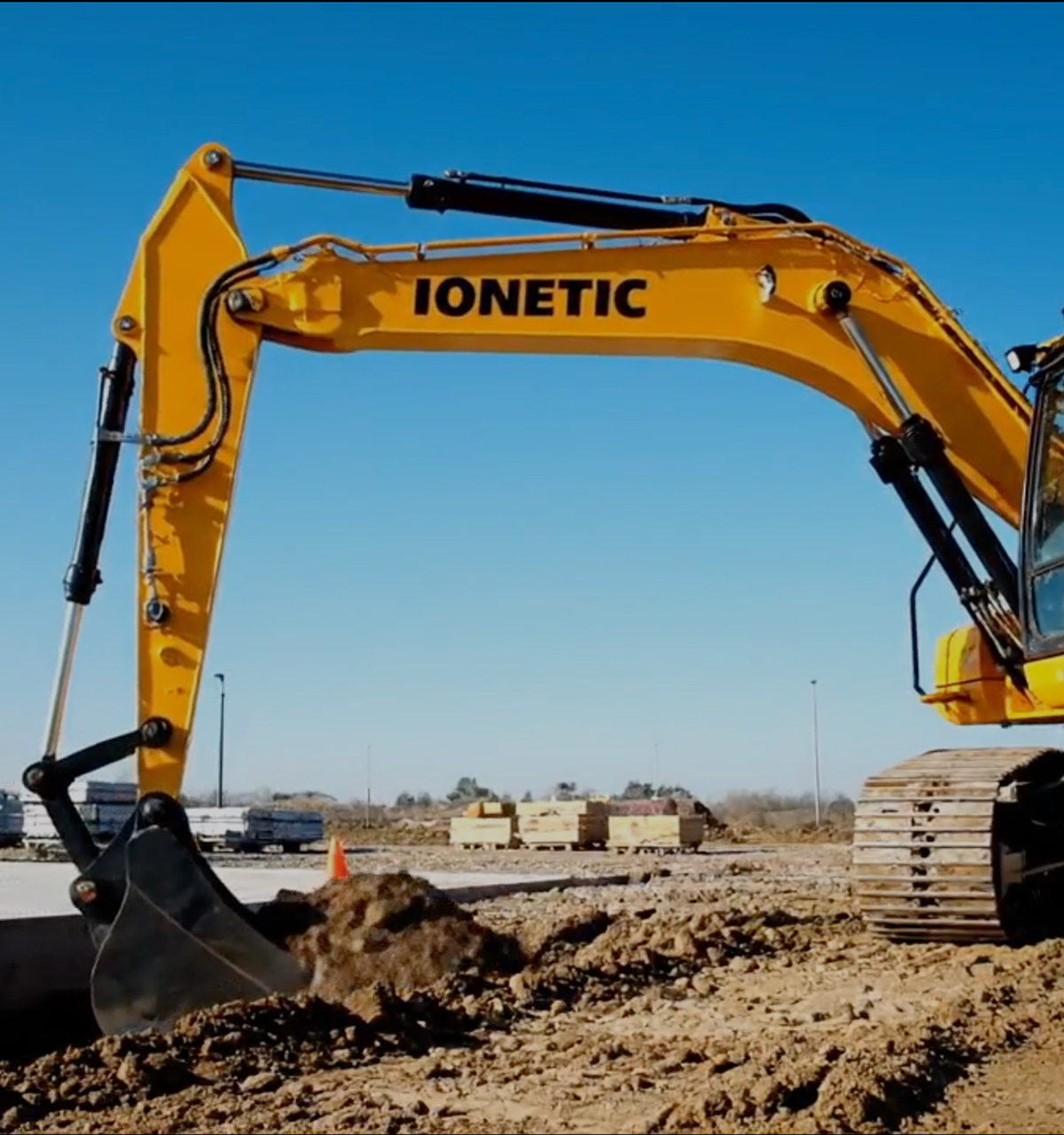
Commercial and Off-Highway
Duty cycle and payload come first. Packs built to survive shock, vibration and temperature extremes, sized to the work the machine actually does.
Designed around your requirements.
Every battery pack we create starts with your exact performance, cost, and integration needs. Using our scalable design system, we engineer packs specifically for your application, rather than forcing you into off-the-shelf constraints. This allows us to make the right trade-offs between power, energy density, chemistry, form factor, and lifetime to deliver a pack that truly fits your product.
Safety and validation built in.
By working with IONETIC, your battery benefits from existing, validated design systems. By leveraging prior validation work, we reduce certification complexity, de-risk compliance, and help ensure your battery meets the highest expectations for performance, reliability, and safety.
Faster time to market.
Our platform approach can cut up to two years from traditional battery development timelines. By building on proven architectures, validated subsystems, and automated design tools, we dramatically reduce engineering cycles and iteration time. That means you can move from concept to production faster — helping you launch sooner, capture market opportunities, and reduce development risk.
European manufacture.
With manufacturing based in Europe, we offer a trusted, local supply partner with clear communication and greater transparency. Shorter supply chains mean faster lead times, improved responsiveness, and better collaboration throughout development and production. For customers who value reliability, speed, and close working relationships, our European footprint delivers a meaningful operational advantage.
FAQ
What we build, who for, and how the same platform serves different applications.
Should I use an off-the-shelf battery pack or a custom one?
An off-the-shelf pack is the right answer when the vehicle can be designed around it. The moment the pack starts dictating floor height, mass distribution, usable interior space or where the vehicle's structure has to run, you are paying for it somewhere else in the programme. A custom pack is shaped to the vehicle instead. Historically the trade was cost and time against fit, which is why most low and mid volume manufacturers accepted the compromise. A platform approach removes that trade, because the custom pack becomes a configuration of a pre-validated architecture rather than a new development programme.
Which markets does IONETIC build battery packs for?
IONETIC builds custom battery packs for four markets:
- Automotive, covering BEV and PHEV programmes for performance, luxury and specialist manufacturers.
- Bus, using cell-to-pack systems engineered around structural members and passenger access.
- Marine, where the pack is shaped to the hull rather than to a rectangular bay.
- Commercial and off-highway, where duty cycle and payload lead rather than headline range.
All four are served by the same pre-validated architectures, configured to the demands of that application.
How many vehicles do I need to be building to work with IONETIC?
Our platform is built for vehicle manufacturers producing roughly 100 to 15,000 units per model per year. That is the volume band where a fully bespoke development programme has traditionally been unaffordable, but an off-the-shelf pack forces real compromises on the vehicle. If you sit outside that range, it is still worth a conversation, because the constraint is usually the programme rather than the number.